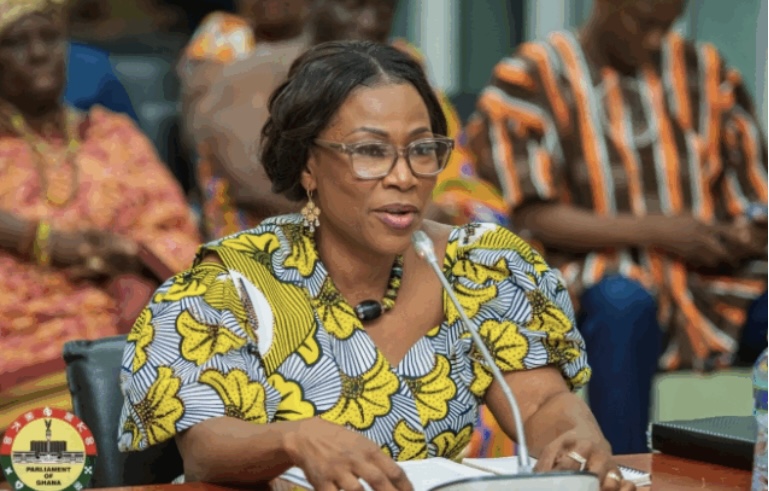
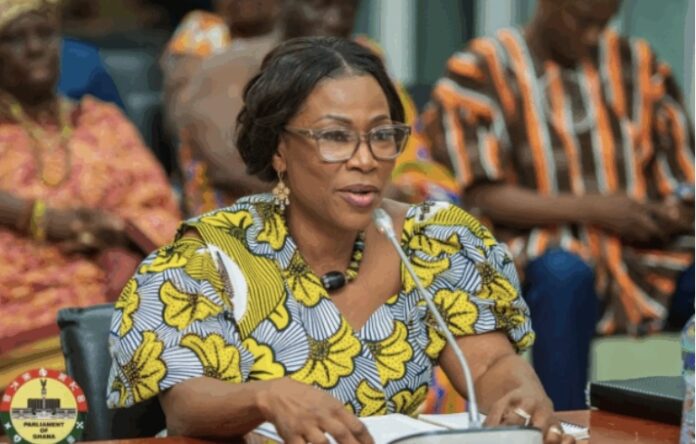
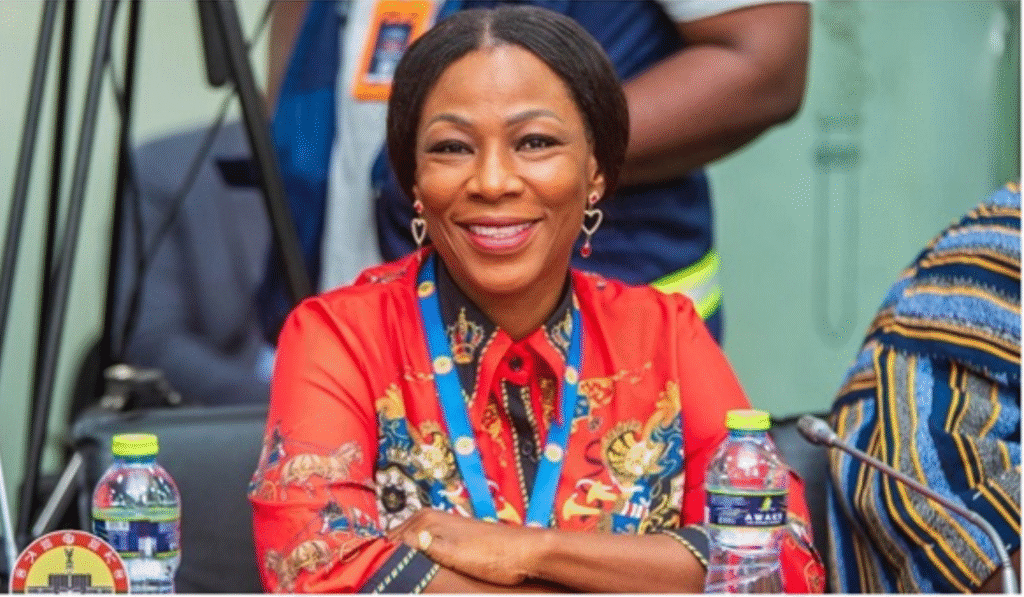
A fierce showdown has erupted between Deputy Minister of Health, Dr. Grace Ayensu Danquah, and the Ghana Tertiary Education Commission (GTEC). At the heart of the controversy is one question: Does Dr. Ayensu Danquah have the right to call herself “Professor”?
This academic and legal tussle has captured national attention, raising broader questions about how foreign academic titles are recognized in Ghana.
How the Dispute Started
On August 4, 2025, GTEC wrote to Dr. Ayensu Danquah demanding proof of her professorial appointment by the University of Utah. The Commission later received a response confirming that she holds the role of Adjunct Assistant Professor, a part-time, non tenure track position.
To GTEC, that title does not amount to a full “Professor” under Ghana’s academic ranking system. In Ghana, the hierarchy follows:
Lecturer → Senior Lecturer → Associate Professor → Professor.
According to GTEC, her adjunct role is closer to that of a part time lecturer, not a professor.
GTEC’s Hardline Stance
On August 12, 2025, GTEC escalated the issue. In a strongly worded directive copied to the Chief of Staff and Clerk of Parliament, the Commission ordered that Dr. Ayensu Danquah stop using the title “Professor” immediately or face legal action for misleading the public.
The Commission stressed that titles like “Adjunct” or “Honorary Professor” cannot be shortened in a way that misleads the public. They say protecting academic integrity in Ghana requires strict enforcement.
Lawyers Push Back
But Dr. Ayensu Danquah isn’t backing down. On August 13, 2025, her lawyers, led by David K. Ametefe, fired back with a scathing letter accusing GTEC of:
- Overreach and bias – acting beyond its powers.
- Lack of professionalism – using “abrasive and disparaging” language.
- Procedural unfairness – giving no clear framework, no transparency, and no chance for her to respond before making conclusions.
They argue that GTEC has no legal authority to redefine academic titles conferred by foreign institutions. International conventions like the UNESCO Global Convention on the Recognition of Qualifications and the Lisbon Recognition Convention were cited as proof that academic titles should be respected unless major differences are shown.
The Legal Threat
Dr. Ayensu-Danquah’s team has given GTEC 14 days (until August 27, 2025) to:
- Disclose the full process behind its decision.
- Clarify what law gives it authority over foreign awarded titles.
- Show what appeal or redress process exists.
If not, they vow to head to court seeking orders of certiorari, mandamus, and declaratory relief to protect her reputation.
Why This Matters
This dispute isn’t just about one person. It raises larger questions:
- Who has the final say? Do Ghanaian regulators have power over foreign academic titles?
- What counts as “Professor”? Should Ghana stick to its stricter hierarchy, or recognize international variations?
- Public trust in titles. GTEC argues that misuse of academic titles misleads society, while critics say the Commission is being heavy-handed.
Already, similar cases have forced others—including political figures—to drop the “Professor” title after GTEC’s warnings.
What’s Next?
All eyes are now on the August 27 deadline. If GTEC does not respond to the lawyers’ demands, Dr. Ayensu-Danquah’s camp will head to court, setting up a high-stakes legal showdown.
Whatever the outcome, this case will likely shape how Ghana treats academic titles from abroad—and could impact many professionals who studied or lectured overseas.
Final Word
For now, the battle lines are drawn. On one side, GTEC insists it must protect Ghana’s academic integrity. On the other, Dr. Ayensu-Danquah and her lawyers argue that the Commission is overstepping and damaging reputations in the process.
One thing is clear: this is more than an academic debate
it’s about law, reputation, and the future of academic recognition in Ghana.