Over the last seven months, more than 22 people have tragically drowned in abandoned illegal mining pits in the Central Region. The Regional Director of the National Disaster Management Organisation (NADMO), Kwesi Dawood, described the situation as “alarming” and “heartbreaking,” warning that the true number of deaths may be even higher since many cases go unreported.
According to Mr. Dawood, these open pits have not only taken the lives of illegal miners often referred to as galamseyers but also innocent women and children who have no ties to mining.
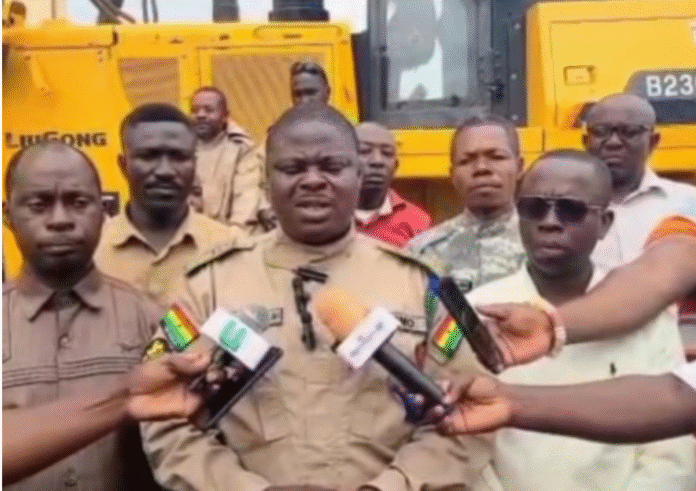
He made the revelation during a media briefing following a Regional Security Council meeting, where a new taskforce was officially launched to reclaim and restore abandoned mining sites.
The taskforce will work across several mining districts, including Assin North, Assin Central, Upper Denkyira East and West, Twifo Ati-Morkwa, Twifo Hemang Lower Denkyira, and the Komenda Edina Eguafo Abrem Municipality. It brings together security agencies, NADMO, local assemblies, the Environmental Protection Agency, the Minerals Commission, miners, and even the media to ensure the effort is collaborative and impactful.
Explaining the purpose of the initiative, Mr. Dawood said it is designed to address not just the safety risks posed by the deserted pits, but also the severe environmental destruction caused by illegal mining. As part of a broader government plan led by the Central Regional Minister, Ekow Payin Okyere Eduamoah, degraded galamsey sites will be turned into farmland and tree plantations.
To make this possible, heavy equipment is already on the ground. Communities will also be given free crop seedlings to plant on reclaimed land, providing people with sustainable alternatives to illegal mining. The “Tree for Life” program will focus on growing cash crops like cocoa, oil palm, and rubber on restored sites.
Mr. Dawood urged illegal miners to leave behind harmful practices and instead join hands in restoring farmlands, protecting the environment, and safeguarding food security.
Speaking on behalf of the Regional Minister, Abdullah Amoh called for full community support, stressing that reclaiming degraded sites through reforestation, soil rehabilitation, and water purification would help restore natural habitats and strengthen livelihoods.
He also pointed out that restoring these lands will help reduce flooding, limit water contamination, and prevent health risks caused by toxic exposure from mining activities.
Mr. Amoh assured that government is committed to stricter enforcement against illegal mining, investing resources in sustainable land restoration, and intensifying public awareness campaigns.
“Fixing the damage caused by illegal mining is not just an environmental issue it’s about protecting our ecosystems, our food supply, and the future of generations yet to come,” he emphasized. “If we fail to act together, the cost both socially and environmentally will only continue to grow.”