Ghana’s development projects are exceeding their planned budgets by wide margins, with the country incurring GH₵70.3 billion in cost overruns across various ministries, departments, and agencies (MDAs), according to the 2024 Annual Progress Report released by the National Development Planning Commission (NDPC).
The report attributes the sharp rise in project costs to persistent macroeconomic instability, including sluggish GDP growth, high inflation, and fluctuating exchange rates, which have collectively inflated the expenses of government investment projects and extended their completion timelines.
According to the NDPC, the total contract value for ongoing capital projects initially stood at GH₵434.8 billion, but later climbed to GH₵505.8 billion after revisions—resulting in the GH₵70.3 billion overrun.
Despite this massive increase, only GH₵189.7 billion has been paid to date, leaving a substantial GH₵315.4 billion outstanding.
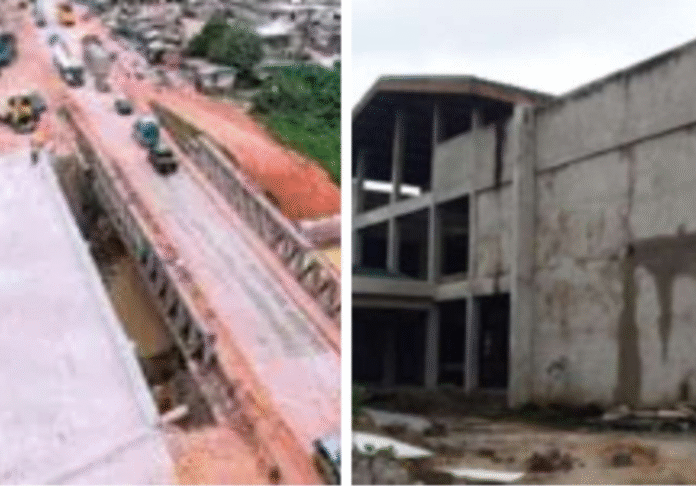
Among the ministries, the Ministry of Roads and Highways recorded one of the largest cost escalations, with its total project value rising from GH₵14.99 billion to GH₵20.09 billion, an overrun of GH₵5.09 billion.
Other major ministries, including Health, Works and Housing, and Energy, also experienced significant budget increases, highlighting the widespread fiscal pressures facing critical infrastructure sectors.
The NDPC further observed that these financial overruns have been compounded by lengthy project delays, with many initiatives extending “by years beyond their scheduled completion.”
It blamed the situation on funding shortfalls, inadequate project planning, and persistent inflationary shocks, which continue to drive up construction and operational costs nationwide.