
Nigeria and Kenya have joined the growing list of African nations following Ghana’s example by introducing policies for their central banks to purchase gold in a bid to strengthen foreign reserves and stabilise their local currencies.
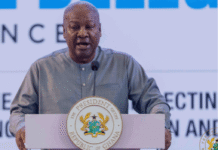
The initiative, first proposed by former Ghanaian Vice President Dr. Mahamudu Bawumia, was implemented three years ago when the government directed the Bank of Ghana to begin buying gold to reduce dependence on foreign exchange and support the stability of the cedi.
Since then, Ghana’s gold reserves have grown remarkably from just seven tonnes at the start of the programme to over 30 tonnes today prompting several African countries to replicate the model.
The latest to adopt similar measures are Kenya and Nigeria, both announcing plans to integrate gold purchases into their monetary policies to diversify their reserves and protect their currencies.
Kenya
Kenya’s Central Bank has already engaged the Bank of England in discussions regarding bullion storage and implementation of the policy.
According to reports, including one by Bloomberg, Central Bank of Kenya Governor Kamau Thugge said the move aims to diversify the country’s foreign reserves and curb the depreciation of the Kenyan shilling.
He explained that the strategy forms part of Kenya’s broader effort to reduce reliance on the US dollar and enhance overall economic stability.
“I’m hoping that we can do it as soon as is practical because we’re ready to move,” Thugge said in an interview in Washington.
Commenting on the surge in global gold prices, he added, “Those who got in early have made a killing. Those who get in late can also be killed,” acknowledging both the opportunities and risks associated with the policy.
Nigeria
In Nigeria, the federal government has also launched a strategic gold acquisition programme through the Central Bank of Nigeria (CBN) to strengthen foreign reserves and lessen dependence on dollar inflows.
Dr. Oladele Alake, Minister of Solid Minerals Development, announced the initiative at the 10th edition of the Nigeria Mining Week in Abuja.
He explained that the programme aligns with the administration’s broader economic diversification agenda and seeks to use locally mined gold to boost the nation’s reserves, reduce pressure on the naira, and lower demand for foreign currency.
“This initiative allows us to purchase gold from local artisanal miners using naira, instead of sourcing dollars to buy gold internationally,” Dr. Alake said.
“Once the gold is acquired, it is added directly to the CBN’s foreign reserves. It’s one of the fastest ways to reflect growth in our reserves,” he added.
Other African countries that have adopted or are considering similar gold reserve strategies include Zambia, Uganda, and Rwanda, following the African Development Bank’s recommendation earlier this year for African nations to pursue gold-backed reserve policies.