
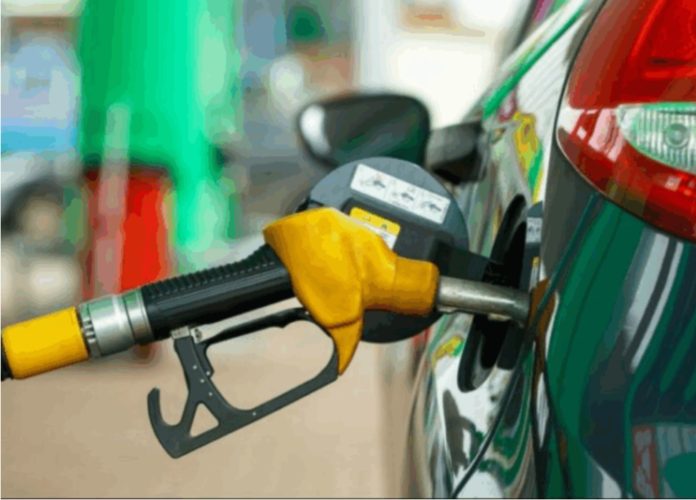
Some Oil Marketing Companies (OMCs) have started reducing fuel prices at the pumps from today, January 16, 2026, following industry projections of a drop of more than three per cent per litre in the current pricing window.
State-owned GOIL, the second-largest player in the downstream petroleum sector, led the reductions early this morning. The company cut the price of petrol from GH¢10.99 to GH¢9.99 per litre, while diesel was reduced from GH¢11.96 to GH¢11.21 per litre, effective 6:00 a.m.
In a circular issued today, GOIL said the price cuts are part of efforts to deliver added value to customers. The discounted prices apply at 150 selected service stations nationwide, while standard pump prices will remain in effect at other outlets.
GOIL explained that the initiative aligns with its mandate as a national energy company and its responsibility to support broader socio-economic objectives, particularly during the ongoing economic recovery.
Star Oil follows suit
Market leader Star Oil has also announced price reductions, effective 8:00 a.m. today. Petrol is now selling at GH¢9.97 per litre, while diesel has been reduced to GH¢10.97 per litre at most of its service stations across the country.
The company said the move forms part of its ongoing price-discount strategy. Sources close to Star Oil told JoyBusiness that the company welcomes the competition, describing it as healthy for the industry.
One source added that the developments strengthen calls for the National Petroleum Authority to abolish the price floor model, which prevents OMCs from selling fuel below a prescribed minimum price.
Several other OMCs have also indicated they will adjust pump prices from today, January 16, 2026.
Industry analysts say GOIL appears to be adopting a pricing strategy similar to Star Oil’s recent approach—one that has helped the market leader record strong growth in recent months.
Factors behind the price cuts
According to the Chamber of Oil Marketing Companies, the price reductions have been driven mainly by two factors: declining prices of finished petroleum products on the international market and the continued appreciation of the Ghana cedi against the US dollar.
Both factors, the Chamber noted, have “played an instrumental role in the projected price decreases at the pumps.”
While crude oil prices recorded a marginal increase, the Chamber’s market report indicated that petrol and diesel prices fell due to global oversupply. Petrol prices were projected to decline by between 1.26 per cent and 2.30 per cent, while diesel was expected to fall by up to 2.10 per cent. Liquefied Petroleum Gas (LPG) prices are also projected to drop by as much as 5.09 per cent.
Meanwhile, the Ghana cedi strengthened significantly against major currencies in the new year. For the January 16, 2026 pricing window, the cedi appreciated from GH¢11.52 to GH¢10.90, representing a gain of 5.71 per cent.
Databank Research has suggested that potential foreign exchange pressures on the cedi will be contained by the gradual rollout of the US$1 billion allocation for January under the Bank of Ghana’s FX Intermediation Programme.
This marks the second reduction in petroleum product prices at the pumps so far this month.