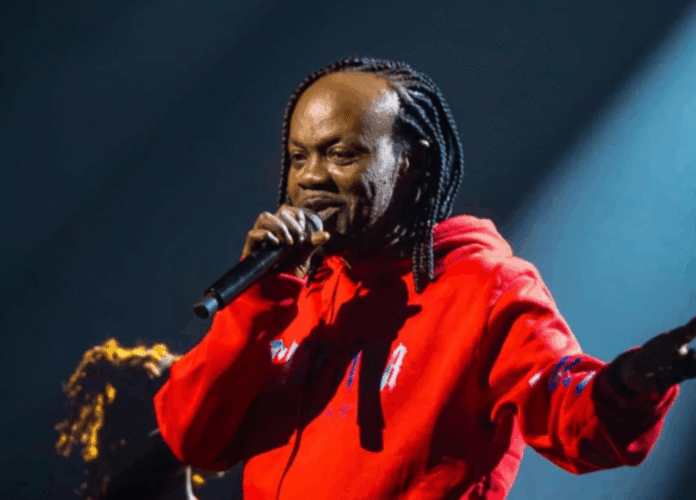
Thousands of mourners, music enthusiasts, and dignitaries gathered at the iconic Baba Yara Sports Stadium on Friday morning as final funeral rites for highlife legend Charles Kwadwo Fosu, popularly known as Daddy Lumba, commenced.
The ceremony comes after months of legal wrangling that nearly overshadowed the event. A High Court injunction had temporarily halted preparations, with interlocutory orders and family disagreements over burial authority dominating national discourse in the lead-up to today’s rites.
By dawn, the expansive stadium had been transformed into a centre of tribute and remembrance. Colourful stalls lined the approach routes, with vendors selling memorabilia including T-shirts emblazoned with Daddy Lumba’s image, caps, and printed programmes celebrating his decades-long contribution to Ghanaian music and culture.
Classic highlife melodies — many of them timeless Daddy Lumba hits — echoed across the grounds. Mourners clutched songbooks and sang softly along, blending joy and sorrow in equal measure. The atmosphere was reflective yet celebratory, as elderly fans wiped away tears while younger generations swayed to the music, a powerful testament to the late musician’s cross-generational influence.
A solemn moment unfolded when a ceremonial carriage arrived bearing the casket containing the body of the music icon. His wife, Odo Broni, was seen in tears as she stood alongside family members.
Many attendees were dressed in traditional funeral attire in muted colours, while others wore accessories featuring the legendary musician’s likeness.
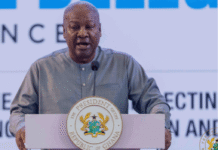
Several prominent figures were in attendance, including NDC Chairman Johnson Asiedu Nketia, Ashanti Regional Minister Frank Amoakohene, and Abusuapanyin Kofi Owusu. Renowned businessmen Osei Kwame Despite and Akwasi Sarpong were also present to pay their final respects.
Emotion ran high when fellow musician Nana Acheampong, visibly overcome, performed the first song he co-wrote with Daddy Lumba, drawing an emotional response from the crowd.
Within the stadium stands, families and friends exchanged personal stories of Daddy Lumba’s influence from songs that defined heartbreaks and celebrations to melodies woven into everyday life. A profound mix of grief, nostalgia, and gratitude permeated the arena.
The public funeral marks the culmination of ceremonies that were nearly derailed by legal disputes involving members of Daddy Lumba’s extended family and the designated family head. However, with court deadlines unmet and injunctions subsequently modified, authorities confirmed that the funeral rites would proceed as scheduled.