Migrants living legally in the UK could face a wait of up to 20 years before securing permanent residency under new government proposals.
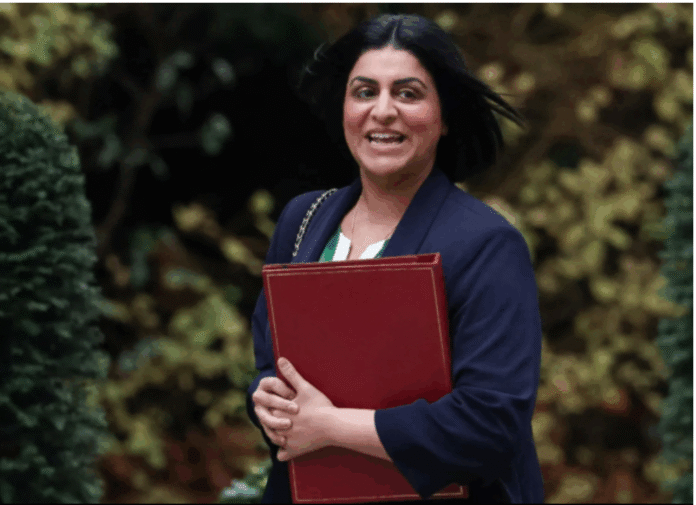
Home Secretary Shabana Mahmood has announced that the qualifying period for Indefinite Leave to Remain (ILR) will be doubled from five to 10 years. The change will apply to an estimated 2.6 million migrants who have entered the UK since 2021. Those who have already secured ILR will not be affected.
Mahmood said that becoming a permanent member of UK society is “not a right but a privilege – and one that must be earned.”
The announcement forms part of a wider series of reforms to the immigration system introduced over the past week.
ILR, or settlement, grants permanent residence in the UK, permission to work without restrictions, access to public services, and is a major step toward citizenship. Currently, most work and family visa holders are eligible after five years.
Under the new proposals, the standard waiting period will increase to 10 years, with additional criteria that may shorten or lengthen the wait:
- 15-year wait for legal migrants who claim benefits for fewer than 12 months
- 15-year wait for those who entered on post-Brexit health and social care visas (up from the current five years)
- 20-year wait for migrants who rely on benefits for more than 12 months—four times the current requirement and the longest settlement wait in Europe
- Three-year wait for applicants earning £125,140 or more annually in the three years before applying
- Five-year wait for those earning £50,270 or more
Volunteering and English-language competency may also help reduce waiting times.
Announcing the changes in Parliament, Mahmood said migration remained important to the UK, but the scale of recent arrivals was “unprecedented.”
Conservative shadow home secretary Chris Philp accused the government of adopting immigration policies his party had previously proposed. He warned that the new system could create loopholes and urged ministers to introduce a migration cap.
Reform UK did not respond in the Commons but has previously stated it would abolish ILR entirely, replacing it with renewable five-year visas.
Home Office data indicates that net migration added 2.6 million people to the UK population between 2021 and 2024. As a result, settlement applications are expected to rise sharply, with around 1.6 million grants forecast between 2026 and 2030.
The new “earned settlement” model will require migrants to demonstrate social integration, economic contribution, and good character. Applicants must meet tougher standards, including A-level equivalent English, a clean criminal record, and earnings of at least £12,570 for three years.
There will, however, be accelerated pathways for those making significant contributions. Doctors and nurses working in the NHS will still qualify after five years. High earners, entrepreneurs, and other top talent may be eligible after three years.
Family members will not automatically qualify when the main applicant does; children under 18 may settle with their parents, but older dependants may face additional requirements.
Fast-track routes for victims of domestic abuse, bereaved partners, and resettled refugees will be maintained.
Public sector union Unison warned that the changes would be “devastating” for thousands of essential workers and risk destabilising key services. General secretary Christina McAnea said forcing workers many of whom served during the Covid pandemic to wait 15 years for stability “betrays the promises they were made.”
She cautioned the government not to disregard overseas care workers, nursing assistants, and school support staff, saying that without them “care services would collapse.”
These reforms build on proposals in the government’s May white paper. They are expected to be implemented from spring 2026, following a consultation ending on 12 February.
On Monday, Mahmood also announced major reforms to the UK’s asylum system, including plans to end permanent refugee status and replace it with temporary protection reviewed every 30 months