
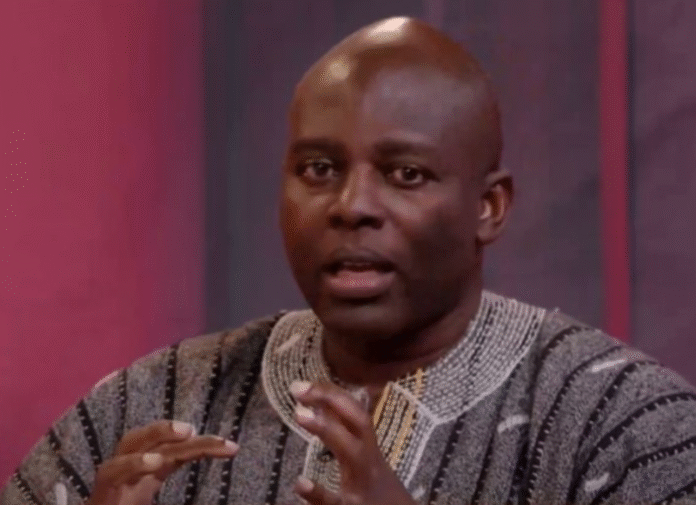
Money continues to play a decisive role in party primaries in Ghana, and that reality is unlikely to change anytime soon, according to Dr John Osae-Kwapong, a Fellow at the Centre for Democratic Development (CDD-Ghana).
Speaking on Joy News’ PM Express on Monday, Dr Osae-Kwapong said vote-buying and vote-influencing remain deeply entrenched in the country’s internal party politics. He noted that Ghanaians routinely “see, read, or hear stories” of such practices during party contests, often disguised as financial support for transportation or logistics.
Despite increasing public concern over the influence of money in politics, Dr Osae-Kwapong said he does not expect significant changes, particularly in internal party elections.
“I don’t think that dynamic of electoral politics, especially when it comes to internal party politics, would change,” he said.
The CDD Ghana Fellow said he supports recommendations from the Constitutional Review Committee aimed at reforming how political parties conduct their primaries. One proposal he believes deserves serious consideration is opening internal party elections to all registered members in good standing, rather than limiting participation to a small group of delegates.
“I have advocated, and I support the recommendation from the constitutional review committee that when it comes to internal party elections, if you are a registered member of the political party in good standing, you should be allowed to participate in party primaries,” he stated.
However, Dr Osae-Kwapong expressed skepticism about whether political parties would be willing to implement such reforms. He argued that the current delegate system makes it easier for wealthy candidates to influence outcomes.
“If our concern is that a candidate can easily, quote-unquote, buy a number of delegates, then opening up the primaries makes it much harder to influence an entire constituency than a small group of delegates,” he explained.
Despite acknowledging the potential benefits of open primaries, Dr Osae-Kwapong said he remains pessimistic about meaningful reform in the near term.
“As cynical as that may sound, I don’t see that dynamic changing in the primaries and party elections,” he added.
His comments come as political parties prepare for another round of internal contests ahead of future national elections, amid renewed scrutiny of campaign financing, vote-buying, and the credibility of internal democratic processes.